

Fostering generosity and community support is at the heart of every silent auction. But as the event winds down, what's the magic ingredient that can turn your successful evening into a seamless closing chapter?
As an event planner, nonprofit director, or charity organizer, you want to guarantee that your auction's close is as impressive as its opening. We understand the importance of a smooth auction finale, and we've gathered leading best practices to see your silent auction through to the very last bid.

How to Close a Silent Auction: 6 Steps
Based on personal experience and all the auction events we’ve witnessed, here are our suggested steps for closing out your auction.
1. Set up Efficient Payment Methods
When people are ready to leave and settle their invoices, the last thing they want is to be weighed down by complex systems. Upgrade your payment process with the latest electronic and speedy check-out options. For example, Handbid provides secure transactions that can greatly expedite the closing process, ensuring a seamless experience for your event attendees.
With our auction management software, you can offer a user-friendly interface that allows attendees to easily review and pay their invoices, saving them time and frustration.
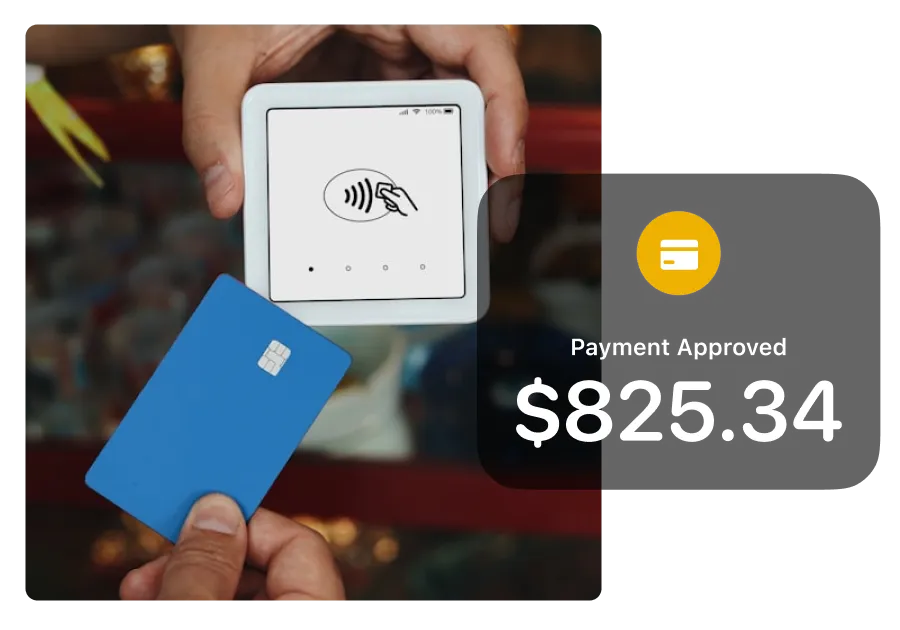
By streamlining the check-out process, you can enhance the overall event experience and leave a positive impression on your guests.
2. Organize the Item Retrieval Process
Next, establish a streamlined, efficient post-auction retrieval process that maximizes the potential of unclaimed items and saves your team a huge headache. Follow these best practices to make the retrieval process a breeze:
- Create an intuitive system: Design a retrieval system that is easy for event volunteers to understand and navigate. Clearly label designated areas for unclaimed auction items, so volunteers can effortlessly locate and retrieve them.
- Document the process: Provide the step-by-step process for retrieving unclaimed items. Include instructions on how to properly handle and store the items, ensuring they remain in good condition until collected.
- Train volunteers: Conduct thorough training sessions to ensure event volunteers are well-equipped to handle the retrieval process. Train them on how to use the retrieval system and provide guidance on interacting with attendees who come to collect their items.
- Maintain meticulous records: Keep airtight records of all unclaimed items. This includes detailed descriptions, item values, and any relevant contact information for the winning bidder. By maintaining accurate records, you can easily track the status of each item and ensure accountability.
By following these tips, you'll have an organized auction item retrieval process that’s easy for volunteers to navigate.
3. Plan for Swift Item Distribution
Once someone retrieves an auction item, you’ll need a hassle-free delivery or collection process to make sure it goes home with the correct bidder. Here’s what we’ve learned to make this process efficient and enjoyable for everyone involved:
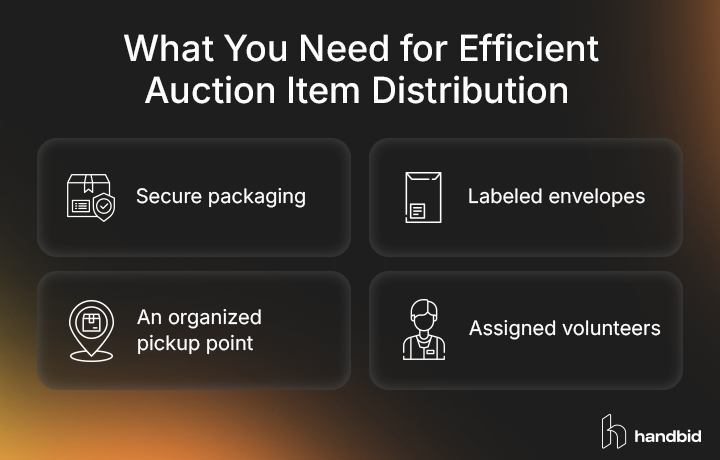
- Secure packaging: Use sturdy packaging materials to protect the items during transit. Bubble wrap, padded envelopes, or boxes can help prevent any damage.
- Labeled envelopes: Clearly label each envelope or package with the winning bidder’s name and address. This will help streamline distribution, ensuring that each item reaches its intended recipient promptly.
- An organized pickup point: If guests are required to collect their items themselves, set up a designated pickup point. This can be a specific area or booth where volunteers can efficiently hand out the items to the respective recipients. Clearly mark and communicate the pickup point location to avoid confusion.
- Assigned volunteers: Designate certain volunteers to manage the item distribution process. These volunteers should be responsible for coordinating item pickup and delivery. Providing clear instructions and guidelines to the volunteers will help them carry out their tasks effectively.
4. Clearly Announce the Auction’s Close
We’ve learned that it’s important to close out the auction right. When you do, you can boost bidding engagement and ultimately drive better results for your cause.
To maximize bidding activity in the final hour of an auction, provide guests with gentle reminders before the auction concludes. Most importantly, instead of a "two-minute warning," we suggest giving them ample time to re-engage and actively participate in the auction. Aim for a 10-to-15-minute warning period, which provides enough runway for competitive spirits to soar without the frantic stress of a last-second scramble.
One effective technique to close out your auction is to leverage gameification strategies, such as incorporating a visible countdown timer. This not only creates a sense of urgency but also encourages attendees to place more bids during this critical period. Additionally, consider sending out personalized notifications to remind bidders about the closing time and any ongoing bidding wars. You can do this in the Handbid app!
5. Streamline Silent Auction Checkout
At the end of the event, the last thing you want to be doing is chaotically corralling your guests to check out. It's important that your guests leave feeling taken care of (and also that your team doesn't lose their heads trying to keep track of invoices!).
Use these tips to prepare for an organized, pleasant check-out flow:
- Appoint a line marshal to keep things organized.
- Deploy pay helpers for quick mobile payments.
- Offer a separate line for cash or check payments.
- Use volunteer runners to retrieve items.
- Provide delightful packaging for a memorable touch.
Want to learn more about how to close a silent auction and run checkout smoothly? Take a listen to our podcast on best practices for a smooth auction checkout.
6. Prepare for Common Closing Challenges
With Handbid, you have all the tools you need to effortlessly manage any challenges that arise at the end of your auction. To avoid common pitfalls and maintain a smooth post-auction process, plan to:
- Provide packaging assistance. Offer assistance and provide packaging materials to winning bidders if needed. Consider implementing a curbside pickup system for added convenience.
- Facilitate on-the-fly payments. Make it easy for winners to settle their payments on the spot. With Handbid, winners are automatically notified and can fulfill their invoices directly from their phones. If people want to pay with cash or a credit card, Handbid makes it extra easy to track.
- Strategize for outstanding invoices. Watch out for any guests who don’t pay at checkout. With Handbid, keeping track of outstanding payments is automatic and easy. The app will even follow up with gentle reminders.
- Have a plan for items that can't be picked up. Some items may be too large or difficult to transport on the same night. Make arrangements for storage or delivery, ensuring winners can retrieve their items later.
Remember, the success of your auction goes beyond the amounts raised. It lies in the full value of each step taken, transaction completed, and memory forged. With Handbid, you can navigate the post-auction process with ease and create a memorable experience for everyone.

What to Do After You Close a Silent Auction
Once the excitement of the night subsides, preparing for the aftermath becomes just as important as any unexpected twist. Here’s how you can navigate the post-event waters smoothly:
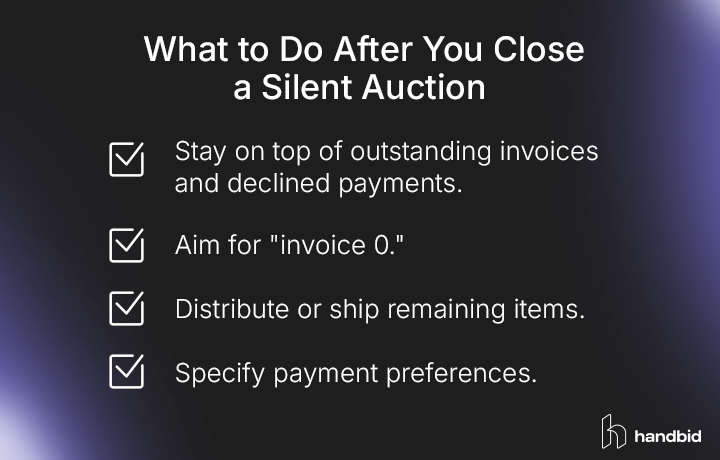
- Stay on top of outstanding invoices and declined payments. Within the first two days after the event, make it a priority to address any unpaid invoices or declined payments. Promptly follow up with attendees or sponsors to resolve any payment issues. By doing so, you can maintain healthy cash flow and avoid financial setbacks.
- Aim for "invoice 0." Strive to clear all outstanding invoices, ensuring that all financial transactions are accounted for and settled. This will not only provide a clear financial picture but also help you evaluate your event’s success and plan for future ones more accurately.
- Distribute or ship remaining items. If any remaining items need to be distributed or shipped, plan the logistics. Ensure you have a clear delivery timeline, and communicate this to all relevant parties. This will help avoid any delays or confusion in getting the items to their intended recipients.
- Specify fund disbursement preferences. Clarify how you want your funds from the auction to be paid out, whether it's through check, bank transfer, or online payment platforms. At Handbid, we can ensure a smooth and timely disbursement of funds.
The event isn’t actually over until the money hits your organization’s bank account. By proactively having these plans in place, you can effectively manage the aftermath of your charity event and ensure a successful return to everyday event management.
How Long Should Your Silent Auction Last?
The ideal duration of a silent auction varies based on your audience and fundraising goals. However, this topic can still spark lively debates. And rightfully so, as it can significantly affect the speed and success of your fundraising efforts. Finding the right balance is a delicate art, as longer auctions often attract more generous bids, while shorter auctions risk leaving time-strapped bidders behind.
To help you navigate this decision, consider:
- Focusing on quality over quantity. Instead of opting for a marathon auction spanning multiple days, focus on creating a few hours of high-energy, high-value bidding. By doing so, you not only respect your donors' schedules but also ensure that the auction night becomes a memorable crescendo rather than a drawn-out affair.
- Factoring in local norms and supporter preferences. Understanding the pace and preferences of your audience is key. Do your beneficiaries typically prefer in-person events to online ones? Do they have a history of last-minute bidding? Adjusting your timeframe accordingly can help accommodate these tendencies and maximize participation.
Keep in mind that the duration of a silent auction is a crucial element that can greatly impact your fundraising goals. By carefully considering the specific context of your event, you can find the sweet spot that will help you achieve success.
Final Thoughts on Closing Your Silent Auction
By following these best practices for your auction closure, you can provide an experience that not only pleases your donors but also demonstrates the utmost professionalism and efficiency.
With Handbid's expert insights and innovative technology, you'll achieve a successful conclusion, effortlessly converting silent bids into resounding success. Handbid also helps you achieve an invoice of 0, ensuring there are no outstanding invoices and making payment collection super easy.